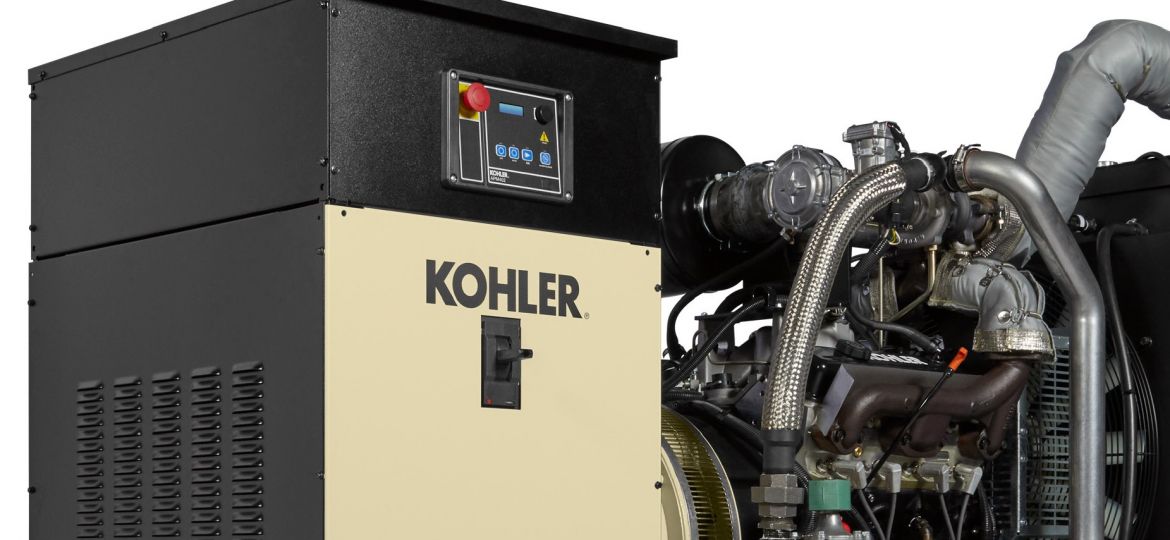

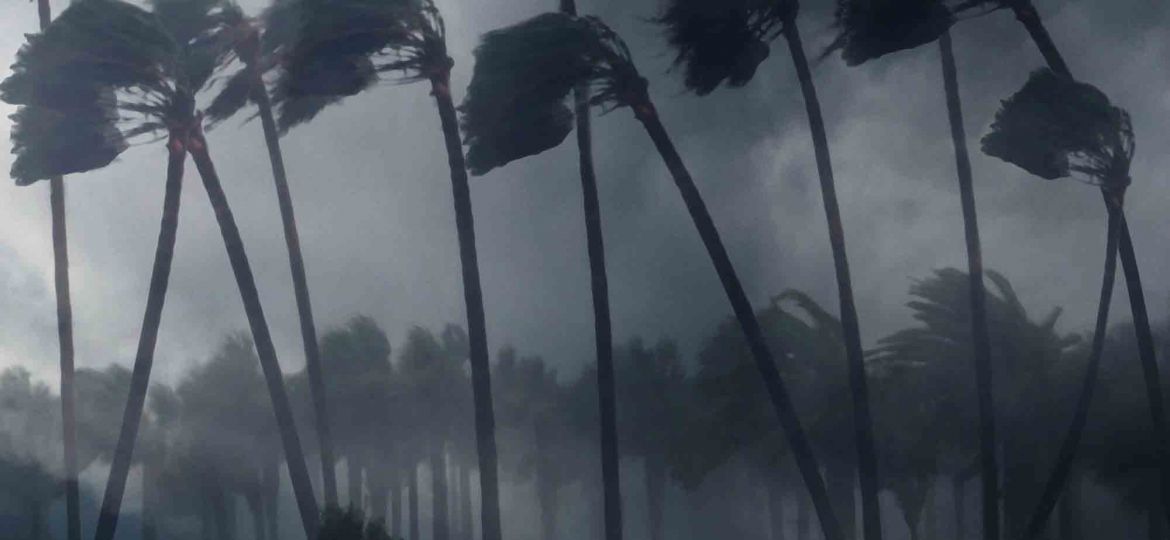
While thunder rumbles and lightning flashes, standby power systems serve as the last line of defense during extreme weather events like hurricanes, by providing crucial power support to essential facilities like hospitals, emergency centers, and shelters. Ever stood in Florida during a hurricane? Some of the most hostile weather conditions in the United States unfurl here.
According to the National Oceanic and Atmospheric Administration (NOAA), the wind speeds during these storms can exceed 180 mph. Considering these extreme conditions, Florida has established a thorough system of testing protocols and regulations for structures that include crucial power systems. The Florida Building Code (FBC) contains these guidelines and evaluates the ability of enclosures to withstand wind load, shield against rain, and repel wind-borne debris impact.
It is critical to incorporate these factors when mapping out a power system enclosure. The aim is to ensure that power systems remain operational when needed the most. This article will walk you through these critical design elements and ensure your understanding of the requirements for conformity to hurricane ratings and the FBC.